Portrait of Ran Ding

Ran Ding

PhD Student

Physical AI, Computer Vision

About Me

I am a PhD student at Mohamed bin Zayed University of Artificial Intelligence (MBZUAI), advised by Prof. Ivan Laptev and Dr. Fabio Pizzati.

Previously, I earned an MSc in Computer Science from the Technical University of Munich and a BEng in Computer Science from Dalian University of Technology.

I am interested in multimodal learning, with the goal of advancing physical AGI.

In my spare time, I enjoy cycling and traveling.

News

Research

(* and † indicate co-first authorship and corresponding author, respectively.)

MessyKitchens video preview

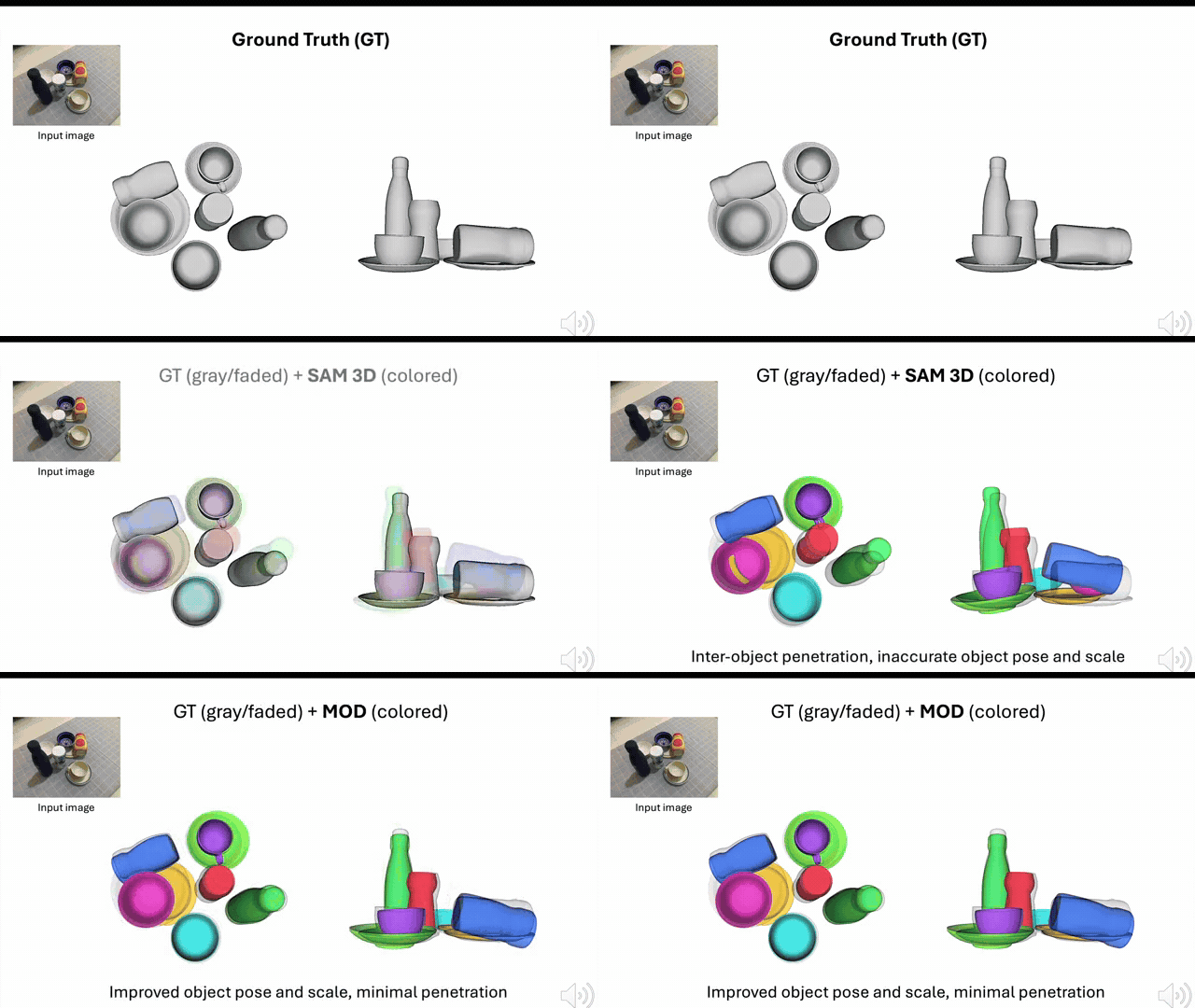
MessyKitchens: Contact-rich object-level 3D scene reconstruction

Junaid Ahmed Ansari*, Ran Ding*, Fabio Pizzati, Ivan Laptev

European Conference on Computer Vision (ECCV), 2026

Physically Plausible Generation 3D Reconstruction Simulation Contact-rich Scenes

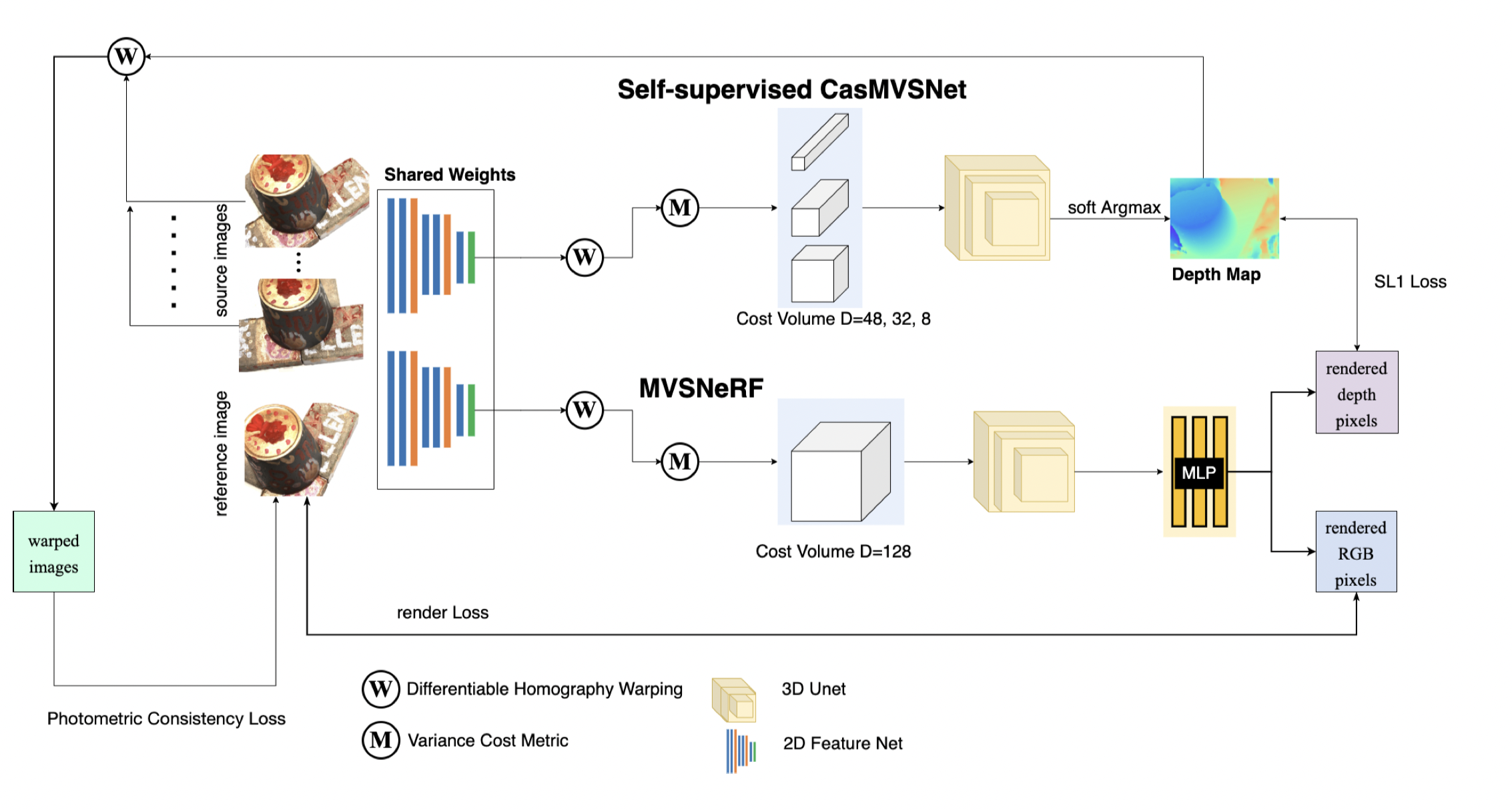
MessyKitchens provides high-quality synthetic training data and real-world test scenes for contact-rich kitchen reconstruction, with improved registration and reduced inter-object penetration. Built on it, MOD achieves state-of-the-art reconstruction and physical metrics.
TARGO and TARGO-Net teaser video

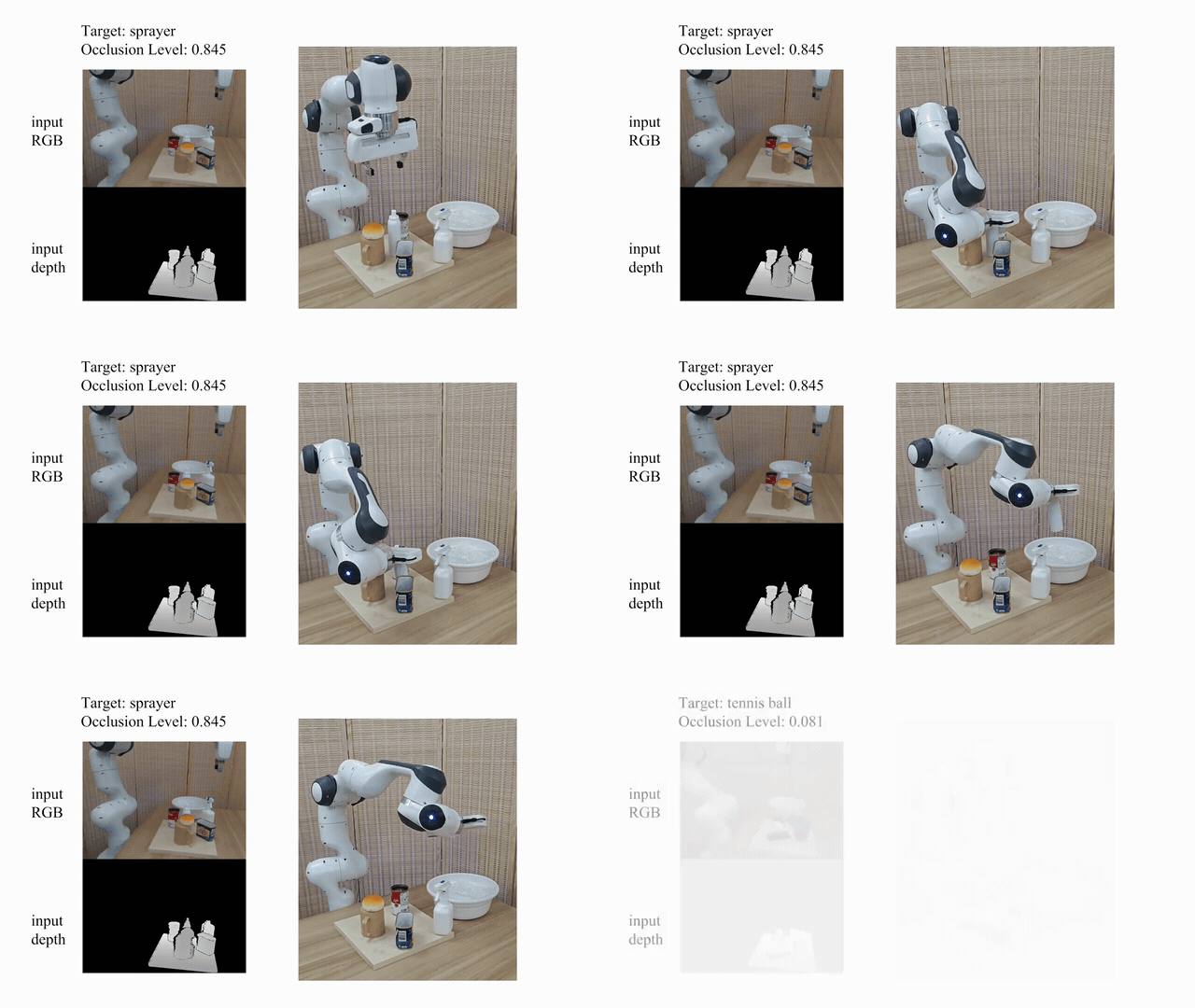
TARGO: Benchmarking Target-driven Object Grasping under Occlusions

Ran Ding*, Ziyuan Qin*, Yan Xia*†, Guanqi Zhan, Kaichen Zhou, Long Yang, Hao Dong, Daniel Cremers

International Journal of Computer Vision (IJCV), 2026

Simulation Spatial Robot Policy Contact-rich Scenes

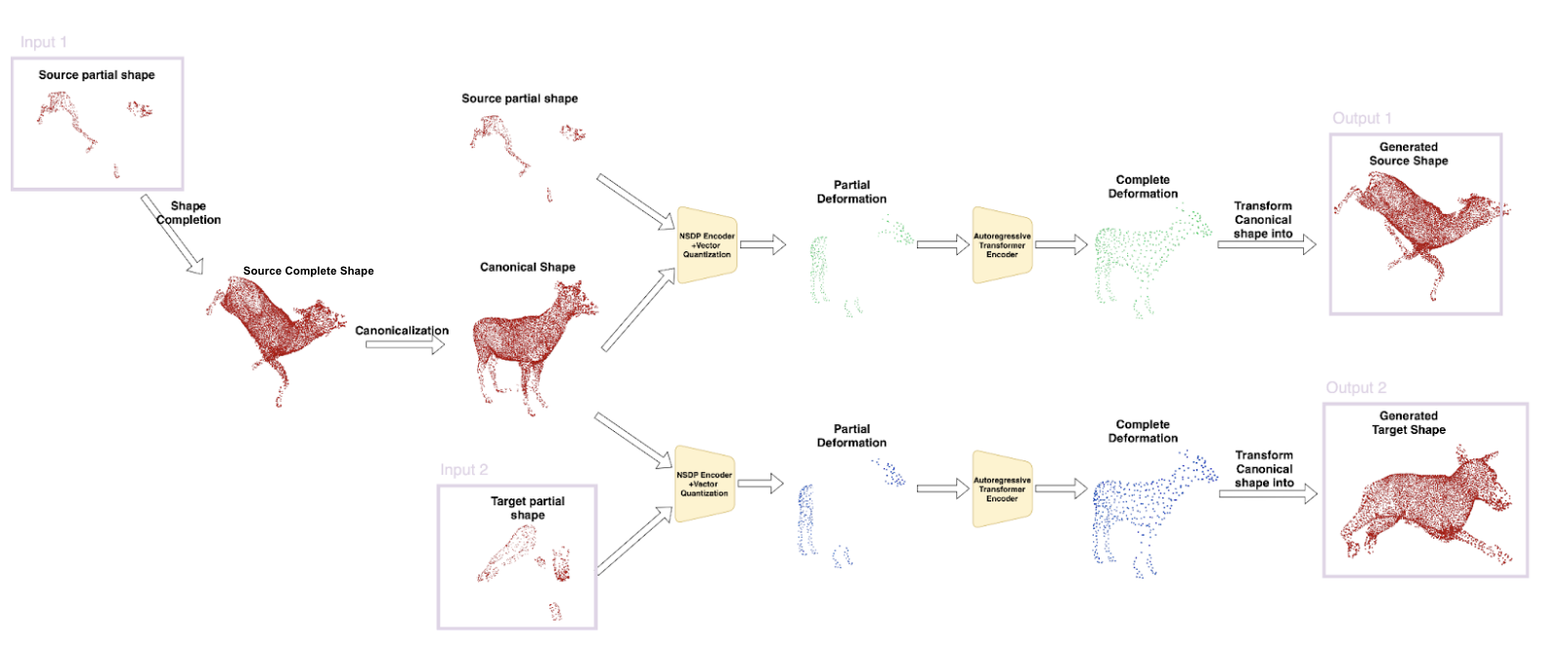
This work introduces TARGO, a benchmark dataset for target-driven grasping under occlusions in cluttered environments, along with TARGO-Net to improve grasping performance in these physically challenging settings.

Projects

Chinese Undergraduate Curling AI Challenge teaser

Chinese Undergraduate Curling AI Challenge

Robotics System

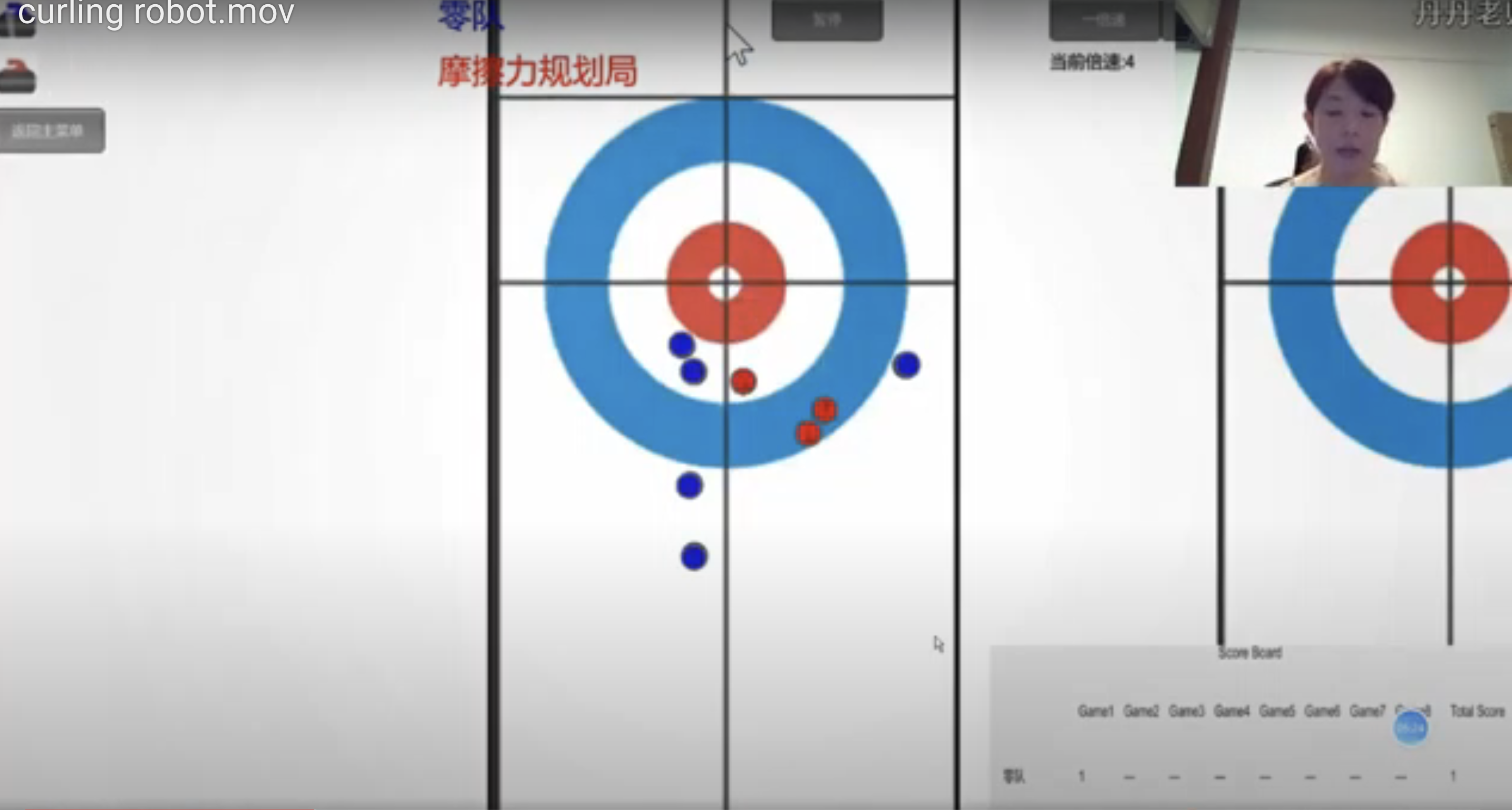
We refined motion strategies for a curling robot and implemented a neural network regression model to predict the relationship between robot velocity and current position.

National Undergraduate Electronic Design Contest teaser

National Undergraduate Electronic Design Contest

Robotics System

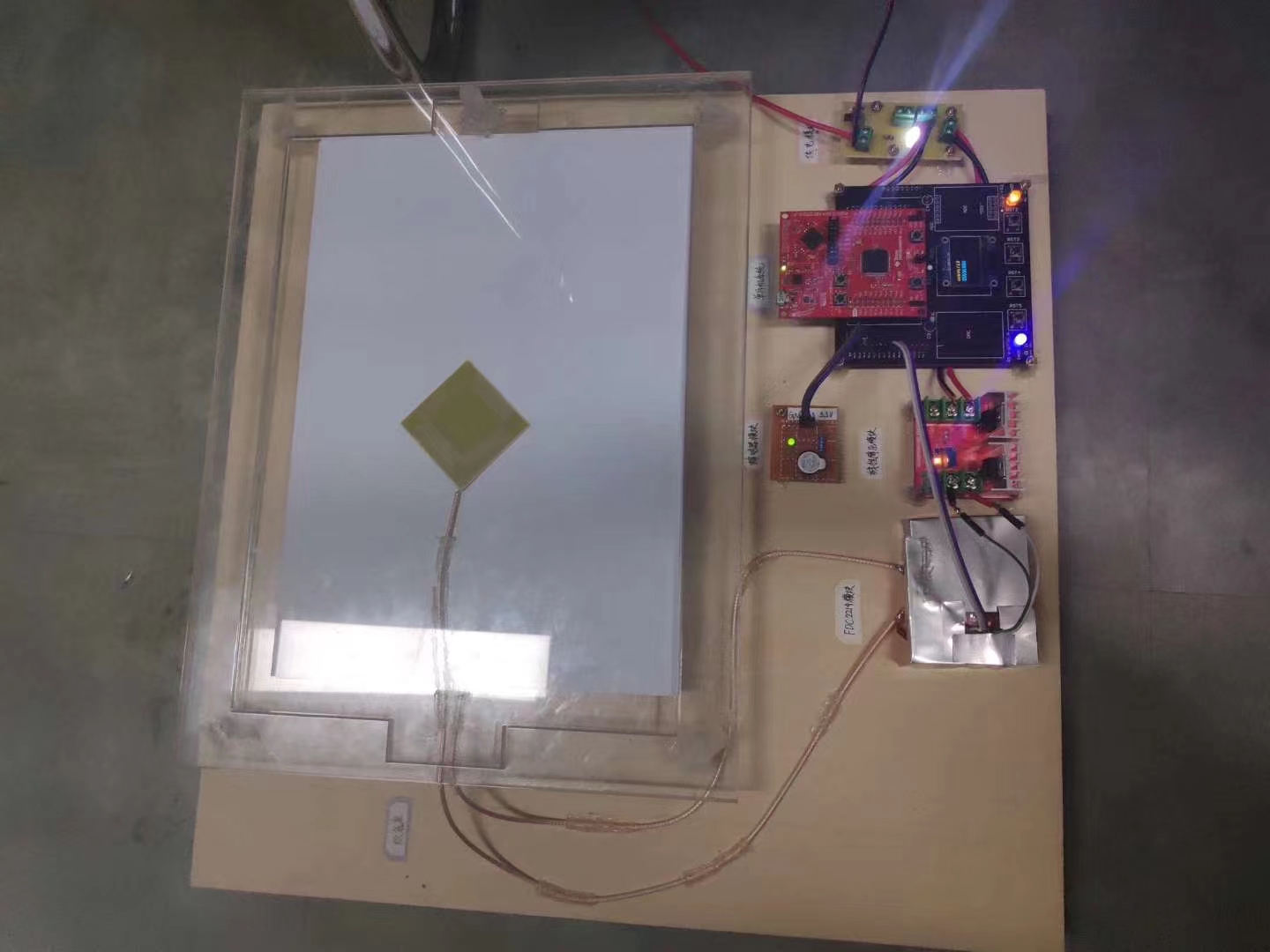
We developed a paper counting device using least squares fitting to correlate paper quantity and capacitance measurements from the FDC2214 sensor.

National Undergraduate Electronic Design Contest teaser

National Undergraduate Electronic Design Contest

Robotics System

We developed a target tracking system that controls a vehicle to follow a predefined path and parses data exchanged with a millimeter-wave radar.

Awards